The Bible does show us a path towards health in what is considered holy or sacred. In the book of Ezekiel 44:16-19 we are told that the levitical priests should serve the sanctuary in linen garments, no wool, nothing around their waists that might make them sweaty.
Modern science shows us why, linen helps repel positive ions which have an inflammatory effect and likely disrupt the quantum hydrogen phase that is likely the ‘body and brain’ of the Oneness. Strong EMF fields have more positive ions and disrupt the balance of the quantum lattice which needs positive protons and negative electrons to be in balanced amounts.
Aside: *Note that a few scientists or theorists have proposed that ‘electrons’ with a ‘negative charge’ is an error — how can anything have a sub-zero charge? Those scientists suggest we consider the proton to be more strongly positive and the electron to be a less-proton, a fragment of positivity, rather than being a negative charge. It may be a very weakly positive charge rather than an ‘irrational value’ of sub-zero.
Linen, compared to other fabrics, is FAR superior as a protection against strong EMF fields.
“When they [‘the levitical priests, the sons of Zadok’] enter the gates of the inner court, they shall wear linen vestments; they shall wear no wool when they serve inside the gtes of the inner court and in the Temple. They shall wear linen caps on their heads and linen breeches on their loins; they shall not wear anything around their waists that makes them sweat.. When they go out to the people in the outer court, they shall remove the vestments in which they performed the liturgy and leave them in the rooms of the Holy Place and put on other clothes so as to not hallow the people with their vestments.”
– Ezekiel 44:16-19

Fabric choice can affect how much EMF reaches our bodies and also may muffle strong sound vibrations which can be inflammatory.
The fabric that we choose for our clothing can help protect against EMF and maybe sound vibrations, or fabric type can make things worse. Choose linen, wool, or unbleached organic cotton fabric for your clothing… (halaihealingplace.com/high-vibrations) Synthetic fabrics attract positively charged ions which are inflammatory and natural fabrics like linen repel the positively charged ions and attract negatively charged ions. Polyester can leave us feeling itchy and hot compared to wearing cotton or linen. Leather, rayon, and silk are somewhere in the middle, see the list below.
“In 2003 Dr. Heidi Yellen conducted a study on the frequencies of fabrics. While demonstrating that a healthy person carries a signature frequency of 100 units of energy, measured in megaHertZ (mHz); an average person carries a frequency of 70-90 mHz and a diseased person generally measures 15 mHz. In her comprehensive study of textiles, Dr. Yellen showed that wearing a material resonating at less than 100 mHz compromises well-being and anything above 100 mHz enhances well-being.” (halaihealingplace.com/high-vibrations)
Tested Fabric Frequency Vibration Values:
- 5000 mHz – Linen and Wool *Individualize! If you are allergic to wool, then it would add to inflammation for you to wear it rather than reducing inflammation.
- 100 – 110 mHz – Organic unbleached cotton
- 40 mHz – Organic bleached cotton
- 30 mHz – Leather
- 15 mHz – Bamboo, Rayon, Tencel and Viscose
- 10 mHz – Silk or Conventional bleached cotton (grown with pesticides)
- 0 mHz – Synthetics (acrylic, polyester, spandex, nylon, waterproof fabrics and others mostly derived from petroleum). (halaihealingplace.com/high-vibrations)
Acoustically fabrics are rated as either (1) sound transmitting – no interference – if you can blow through the silk or chiffon scarf, then so can sound waves; or (2) sound absorbing, or (3) sound blocking/repelling.
Wool felt is sound absorbing, so it might make a hearing protective winter hat or earmuffs. Window curtains or door hangings can be chosen which muffle noise. Having more folds or pleats to the fabric will increase the sound muffling effects. A pleated linen or wool skirt might help protect the wearer from the inflammatory effect of loud vibrating sounds and reduce EMF exposure. A thick cotton work shirt or jacket will protect a worker against wind or sound vibrations. A traffic policeman’s uniform should be made from protective linen or organic cotton rather than inflammatory synthetic fabrics. (weekendbuilds.com/best-acoustic-fabrics)
Linen garments that are only worn in a sanctuary, would also be preventing microbes or toxins from entering the sanctified space. “Cleanliness is next to Godliness.” Daily chores and a clean environment and body protects against mold, allergy, and infection. We are being guided to reduce inflammation in order to be more holy and sanctified.
Are the white robes traditionally shown as the raiment of angels made of linen?
In the Bible, linen breeches are mentioned primarily in the context of priestly garments.
“These are the vestments which they must make: a pectoral, an ephod, a robe, an embroidered tunic, a headdress and a belt. They must make sacred vestments for your brother Aaron and his sons, for them to be priests in my service. They will use gold and violet material, red-purple and crimson, and finely woven linen. […]
“You will also make them linen breeches reaching from waist to thigh, to cover their bare flesh. Aaron and his sons will wear these when they go into the Tent of Meeting and when they approach the altar to serve in the sanctuary, as a precaution against incurring mortal guilt. This is a perpetual decree for Aaron and for his descendants after him.”
– Exodus 28:4-5 and 42-43
- The significance of these breeches extends beyond mere clothing; they symbolize modesty and sanctity in worship, highlighting the importance of appropriate attire in the service of God. 1
- Additionally, they are referenced in Exodus 39:28, where priests are instructed to wear linen breeches as part of their ceremonial garments. 1
Linen Knee Breeches, a perpetual decree…sweat less! and be modest and moral and healthy of mind and body. Inflammation can lead to chronic illness and less clarity of thinking.
Be still and calm, and maybe more comfortable in linen breeches.
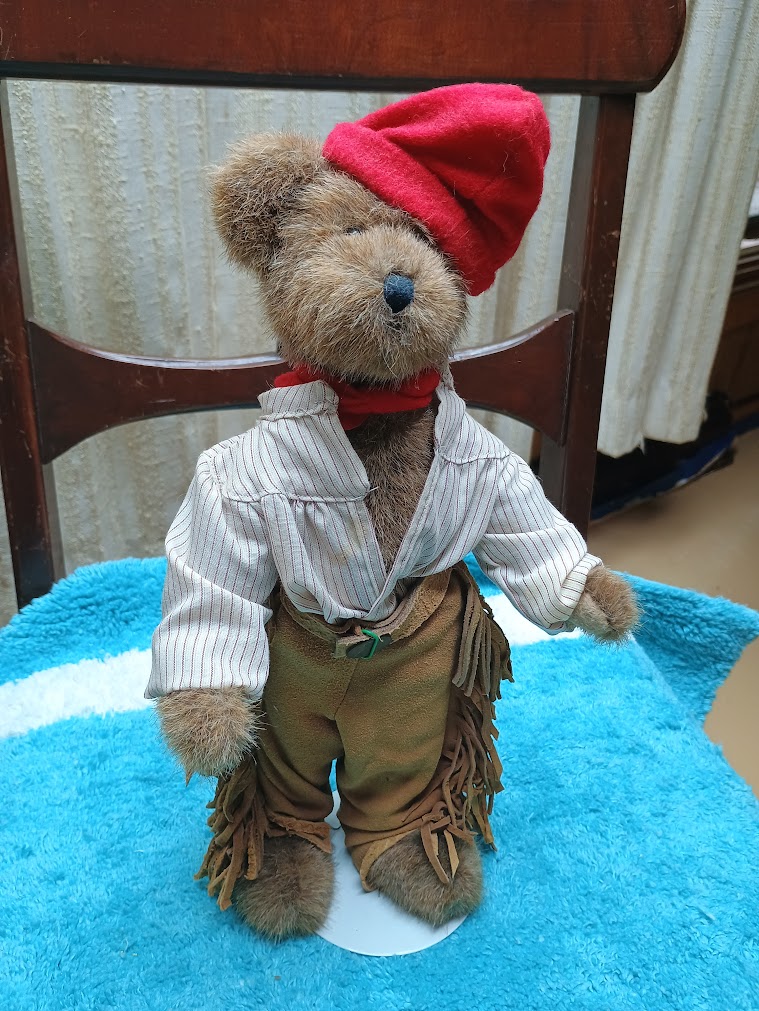
The shirts worn by muzzleloaders or early American settlers might have been linen or a fine wool fabric. See: What Kind of Clothing Did the Pioneers Wear? – The Classroom
Disclaimer: This information is being provided for educational purposes within the guidelines of Fair Use and is not intended to provide individual health care guidance.
 Site Title